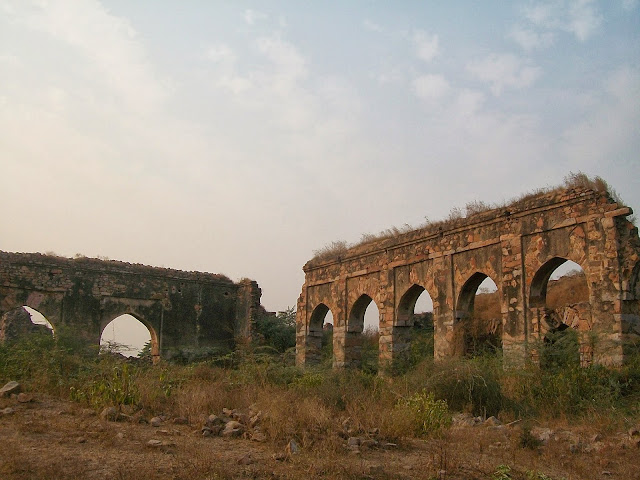
Q.1. Who was the founder of Tughlaq Dynasty?
(a) Ghiyas-ud-din Tughlaq
(b) Muhammad bin Tughlaq
(c) Feroz Shah Tughlaq
(d) None of these
Q.2. Who among the following Tughlaq Sultans had established Diwan-i-Bandagan (department of slaves)?
(a) Giyas-ud-din Tughlaq
(b) Muhammad bin Tughlaq
(c) Firoz Shah Tughlaq
(d) None of the above
Q.3. The last ruler of the Tughlaq Dynasty was _____.
(a) Nusrat Shah
(b) Mahmud Shah
(c) Abu Bakr Shah
(d) Muhammad Shah lll
Q.4. In which year was the Tughluq dynasty founded?
(a) 1315 AD
(b) 1320 AD
(c) 1325 AD
(d) 1330 AD
Q.5. Who among the following was the Delhi Sultanate ruler when the Vijayanagara Empire came into existence?
(a) Muhammad bin Tughlaq
(b) Giyas-ud-din Tughlaq
(c) Firoz Shah Tughlaq
(d) Khizr Khan
Q.6. Which among the following was the real name of Ghiyas-ud-din Tughluq?
(a) Ghazi Malik
(b) Juna Khan
(c) Nizam Khan
(d) None of these
Q.7. Where did Muhammad bin Tughlaq die?
(a) Thatta
(b) Kara
(c) Multan
(d) Jaunpur
Q.8. Which among the following was the real name of Muhammad-bin-Tughlaq?
(a) Ghazi Malik
(b) Juna Khan
(c) Nizam Khan
(d) None of these
Q.9. Who among the following historians was appointed as the Chief Qazi of Delhi by Delhi Sultanate sultan Muhammad bin Tughlaq?
(a) Shams Siraj Afif
(b) Ibn Battuta
(c) Zia-ud-din Barani
(d) Amir Khusrav
Q.10. Which of the following statements are correct with respect to Muhammad bin Tuhglaq?
1) Muhammad bin Tuhglaq had introduced monetary reforms
2) Muhammad bin Tuhglaq increased the tax paid by the people living in the Doab region.
3) Muhammad bin Tuhglaq had established the department of slaves or Diwan-i-Bandagan
(a) Only 1
(b) Only 2
(c) Only 1 and 2
(d) 1, 2 and 3
Answers:
1- a
Notes
Ghazi Malik or Ghiyas-ud-din Tughluq was the founder of the Tughluq dynasty, the third of the five dynasties, the combination of which went on to be called the Delhi Sultanate.
2- c
Notes
Firoz Shah Tughlaq had established Diwan-i-Bandagan (department of slaves).
The officer in-charge of Diwan-i-Bandagan (department of slaves) was Arj-e-Bandagan.
Firoz Shah Tughlaq is known to have as many as 180,000 slaves. According to the contemporary historian Shams Siraj Afif, their rise brought disaster to the Tughlaqs. They annihilated Firuz's sons and played roles in destroying the Tughlaq dynasty. Firuz's eunuch named Malik Sarwar founded the Sharqi dynasty of Jaunpur.
3- b
Notes
Nasir-ud-Din Mahmud Shah Tughlaq was the last sultan of the Tughlaq dynasty.
4- b
Notes
The rule of the Tughlaq dynasty lasted from 1320 to 1413
5- a
Notes
The rule of Muhammad bin Tughlaq lasted from 1325 to 1351. The Vijayanagara Empire was founded in 1336.
6-a
Notes
Ghiyas-ud-din Tughluq was called Ghazi Malik before his ascension to the throne of Tughluq dynasty.
7-a
Notes
While fighting against the rebels in Thatta in Sindh Muhammad bin Tughlaq died in 1351.
8-b
Notes
Real name of Muhammad-bin-Tughlaq was Juna Khan.
9-b
Notes
Ibn Battuta was appointed Qazi of Delhi by Delhi Sultanate sultan Muhammad bin Tughlaq.
Ibn Batuta was an Arab traveller who arrived at Multan in 1333 during the rule of second Tughlaq ruler Muhammad bid Tughluq. After serving for eight years as the Qazi (judge) of Delhi, he was dismissed from the post by the Tughlaq Sultan.
Ibn Batuta was a native of Morocco.
10-c
Notes:
Feroz Shah Tughlaq had established a department of slaves or Diwan-i-Bandagan.
Comments
Post a Comment